seo checklist

How SEO Works – Content Creation, User Experience and Analytics

SEO training - digital toppers

So, let us proceed with the second part of the SEO Beginner’s Guide without additional words. Well, it is the time to explore Content Creation and let yourself go through User Experience and Analytics. Not advanced concepts at all but simply best and easy steps to improve the field of SEO.

The primary areas that need attention are Content Creation and Optimization:

There are many factors that herald the importance of creating and providing effective and engaging content for both the end-users and the search engines. First, it simply keeps people on your website for longer and as long as the actual content of the article is useful and provides insightful answers to the users’ questions, there is a high chance it will be shared, thus increasing organic traffic. Relaunching a particular piece of content multiple times and revising it periodically can both increase the SEO of a website.

User Experience and RankBrain:

Importantly, Google’s RankBrain factors such as the bounce rate, the time spent by the user on the page, or click through rate. This is not a direct way through which your website will be able to achieve improved search engine rankings, but the overall usability of your website is equally important as it offers an enjoyable interface that is easy to navigate, fast loading, and compatible with mobile devices.

Analytics and Monitoring:

Using analytics like Google analytics and Google Search Console enables you to track your website traffic, track Organic traffic, uncover new potential keywords, and determine your SEO return of investment. Semantically, it is possible to regularly analyze these metrics and with their help to build an SEO strategy that will enable its constant improvement.

Staying Updated:

The world of SEO is dynamic and constantly evolving. Search engine algorithms change, new technologies emerge, and user behaviors shift. To stay ahead, follow reputable SEO blogs, attend webinars, and engage with the SEO community to keep yourself updated on the latest trends and best practices.

You can significantly improve the visibility and organic traffic to your website by understanding the fundamentals of search engine optimization, which may initially seem complex. You can improve your search engine rankings and accomplish your online objectives by putting the tactics covered in this beginner’s guide into practice. Remember, SEO is a journey, not a destination, so stay patient and persistent in your efforts.


“Boost Your Online Presence with Digitz India‘s Professional SEO Services – Reach the Top of Search Rankings Now!”

How SEO Works – Content Creation, User Experience and Analytics Read More »

What is SEO and How it Works

SEO training - digital toppers

In the current digital era, it is crucial for any company or person to have a strong online presence. Search engine optimisation (SEO) is one of the key components in achieving this. This beginner’s SEO guide – Part 1 will assist you in navigating the world of search engines and generating organic traffic for your website, whether you’re a business owner, blogger, or simply someone interested in increasing the visibility of their website.

Understanding SEO –

It’s crucial to comprehend SEO as a concept before delving into its technical details. The process of optimising your website’s content, architecture, and technical components for search engine results pages (SERPs) is known as SEO. As a result, your website receives more natural (non-paid) traffic and visibility.

Keyword Research –

The foundation of SEO is keywords. They are the words or phrases that people use when searching for information online. Finding keywords that are relevant to your content and your target audience is a necessary step in conducting effective keyword research. You can get help finding the best keywords for your content by using tools like Google Keyword Planner, SEMrush, and Ahrefs.

On-Page SEO –

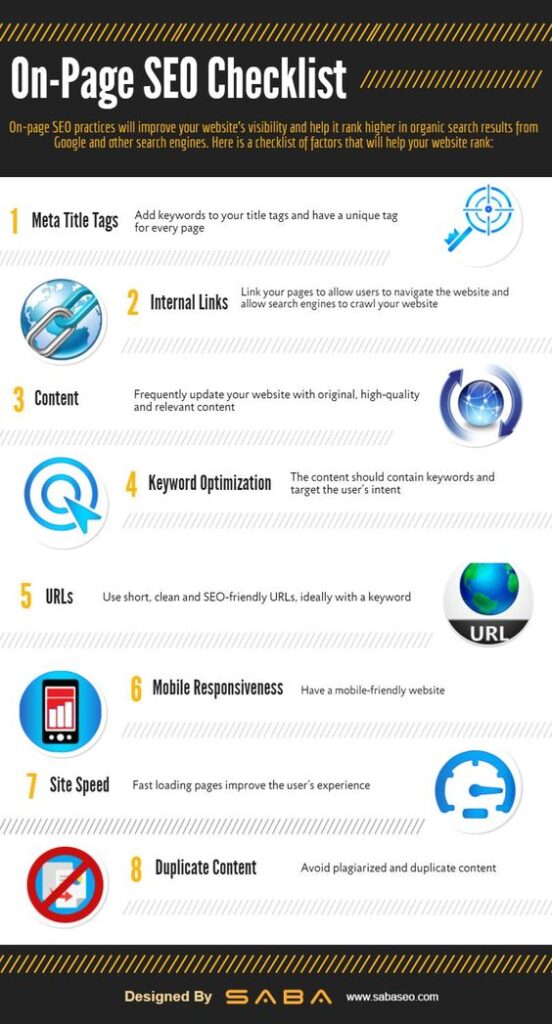
The goal of on-page SEO is to improve a website’s ranking in search results by optimising specific web pages. This entails optimising headings, title tags, meta descriptions, and the natural insertion of appropriate keywords into your content. A better on-page SEO strategy also benefits from ensuring proper URL structure, internal linking, and the use of descriptive alt text for images.

Off-Page SEO –

Off-page SEO explains techniques used to raise your website’s search engine rankings. This mainly entails constructing trustworthy backlinks from other websites. You can build the authority and credibility of your website by participating in forums related to your industry, reaching out to influencers, and engaging in guest posting.

Technical SEO –

Technical SEO includes optimising your website’s technical elements in order to increase search engine visibility. This includes optimising site architecture for crawlability, ensuring mobile friendliness, establishing a sitemap, using schema markup to give search engines more context, and enhancing website speed.


The first part of your SEO journey concludes here. Well done on finishing the first section of our SEO Beginner’s Guide. The ride isn’t over yet, so hold on tight! Content Creation, User Experience, and Analytics will be revealed in Part 2 – How SEO Works – Content Creation, User Experience and Analytics. Prepare to step up your SEO efforts. Stay curious and see you in Part 2!


“Master SEO with the help of Digital Toppers. Become an SEO Specialist with the Comprehensive  SEO Course.!”

Also read, Best Business Listing Sites for SEO Companies in Trichy

What is SEO and How it Works Read More »

Scroll to Top