

Digital Marketing Strategy

How Coca Cola Influenced the Image of Santa Claus Through Marketing Campaigns
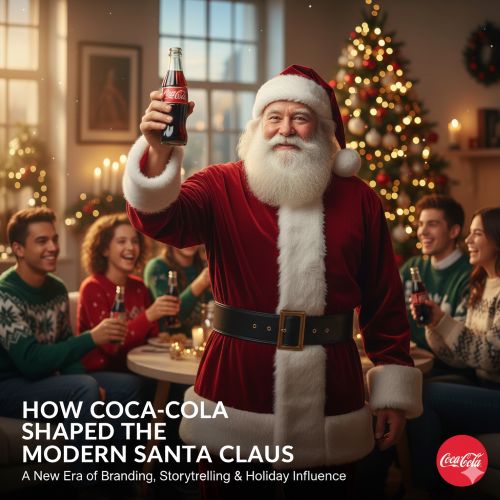
How Coca Cola Influenced the Image of Santa Claus Through Marketing Campaigns

Digital Toppers published a case study on how Coca-Cola influenced the image of Santa Claus through marketing campaigns.

Coca-Cola is more than just a soft drink. It is a brand that knows how to connect with people’s emotions. One of its most successful ideas was the Christmas campaign featuring Santa Claus.

In the 1930s, Coca-Cola faced a major challenge: people did not prefer cold drinks during the winter season. To solve this, the brand used smart storytelling and presented Santa Claus as a warm, friendly, and joyful character, making Coca-Cola feel like a natural part of Christmas celebrations.

This post explores how Coca-Cola influenced the modern image of Santa Claus and turned a winter sales problem into a global Christmas tradition.

Who Was Santa Claus Before Coca-Cola?

Before the 1930s, Santa Claus did not have one fixed appearance.

Different Versions of Santa:
  • In Europe, Santa was linked to Saint Nicholas.
  • He appeared in: Green, Brown, Blue, and sometimes Red.
  • Some versions showed him as: Thin, Serious, and more religious than playful.

There was no global standard image of Santa Claus.

The Marketing Challenge Coca-Cola Faced

Problem: Coca-Cola is a cold beverage.

  • Low Sales: Sales dropped when the weather got cold.
  • Competition: People preferred hot drinks like tea or cocoa in December.

How can a cold drink brand stay relevant during the coldest months of the year?

The Big Idea: Using Santa Claus as a Brand Storyteller

Coca-Cola decided to connect its product with Christmas emotions, not weather.

They chose Santa Claus because:

  • Santa already symbolized joy and generosity.
  • Families trusted Santa.
  • Santa was closely linked with Christmas celebrations.

But Coca-Cola needed to make Santa feel: Warm, Friendly, Real, and Relatable.

Why Coca Cola Popularized Red and White for Santa

Instead of saying Coca-Cola changed Santa’s color, the correct explanation is: Coca Cola popularized and standardized the red-and-white Santa.

Reasons:
  • Red Matched Coca-Cola’s Brand Color: While red was a color used for Santa in some previous depictions, Coca-Cola’s use of a specific, vibrant red (matching their branding) and consistent, high-visibility global distribution made their version the one that stuck.
  • White symbolized snow and warmth.
  • Red-and-white created strong visual branding.
  • Consistent use every year made it familiar.

Over time, people began to believe this was the “real” Santa.

Campaign Execution: How Coca-Cola Did It

  • Year: 1931
  • Key Contributor: Illustrator Haddon Sundblom
  • Marketing Channels Used: Magazine ads, Print posters, Store displays, Outdoor billboards
Santa’s New Personality:
  • Smiling and friendly
  • Human-like emotions
  • Enjoying Coca-Cola (often shown pausing to drink one while delivering toys)
  • Interacting with families and children

This Santa felt alive, not imaginary.

How Santa Brought Coca Cola in from the Cold

This is the most powerful part of the strategy.

What Coca-Cola Did:
  • Showed Santa drinking Coca-Cola in winter.
  • Made Coke feel like a Christmas tradition.
  • Associated the drink with: Family time, Happiness, and Celebration.

Result: People stopped thinking:

“Cold drink is not for winter”

And started thinking:

“Coca-Cola is part of Christmas”

How Coca-Cola Began Its Winter Marketing Strategy - Digital Toppers

Results & Long-Term Impact

Cultural Impact:
  • Red-and-white Santa became the global standard.
  • Coca-Cola’s Santa is still used today.
  • Santa and Coca-Cola became emotionally connected.
Brand Impact:
  • Coca-Cola solved a seasonal sales problem.
  • Christmas became a brand-owned moment.
  • The campaign lasted for generations.

What We Can Gain From This Brand’s Marketing Strategy

The success of the Coca-Cola Santa campaign offers valuable, timeless lessons for any brand looking to build long-term power and cultural relevance.

Key Marketing Lessons:

  1. Consistency: Same Santa image every year which built trust and belief.
  2. Emotional Storytelling: Focused on joy, family, and generosity — not product features.
  3. Strong Visual Branding: Santa’s standardized colors matched Coca-Cola’s identity.
  4. Cultural Timing: Used an existing festival and enhanced its imagery.
Key Takeaway:

Brands can become part of culture, not just commerce. Coca-Cola didn’t invent Santa Claus — it made the modern Santa believable through strategic visual standardization and emotional consistency.

Conclusion

Coca-Cola’s Christmas campaign is one of the greatest examples of storytelling marketing in history.

By shaping the image of Santa Claus and linking it with happiness and celebration, Coca-Cola turned a winter sales challenge into a timeless brand tradition. Even today, when people think of Santa Claus, they unknowingly picture Coca-Cola’s Santa.

👉 Explore other successful brand case studies from Digital Toppers

Netflix’s Successful Digital Marketing Strategy – A Case Study

This case study explains how Netflix uses smart marketing, personalized content, and storytelling to attract and retain users all over the world.

Arun Ice Cream: The Sweet Success Story That Won India’s Heart

This case study explains how Arun Ice Cream became popular in India by building a strong emotional bond with people and focusing on local customers.

How Cookd Achieved Success with a Digital Marketing Strategy

This case study shows how Cookd used digital marketing, good content, and social media to reach the right audience and grow fast.

1. Did Coca-Cola invent Santa Claus?

No. Santa Claus is inspired by Saint Nicholas. Coca-Cola popularized the modern red-and-white image through consistent marketing.

2. Was Santa Claus always red and white before Coca-Cola?

No. Before Coca-Cola’s Christmas campaigns in the 1930s, Santa Claus did not have a fixed color or appearance. He was shown in green, brown, blue, and sometimes red, depending on the country and artist. Coca Cola did not invent Santa Claus, but its consistent use of a red-and-white Santa in global advertising helped standardize and popularize the version we recognize today.

3. Why did Coca Cola use Santa Claus in its marketing campaigns?

Coca Cola used Santa Claus to create an emotional connection during Christmas and to promote its product during winter, a season when cold drinks usually sell less.

How Coca Cola Influenced the Image of Santa Claus Through Marketing Campaigns Read More »

A Case Study: How Cookd Achieved Success with a Digital Marketing Strategy

Explore how Cookd utilized digital marketing for massive growth by Digital Toppers Academy,Trichy

Cookd, a tech-driven consumer brand, is transforming home cooking by making it easier and more enjoyable. With a diverse range of products, mobile applications, and curated recipes, the brand has gained a strong digital presence. However, its journey wasn’t without challenges. This case study explores Cookd’s digital marketing transition, platforms used, key strategies, challenges faced, and how they achieved success.

Challenges Faced by Cookd

  • Increasing Brand Awareness

Introducing ready-to-make masala products required educating potential customers about their benefits and ease of use.

  • Competing in a Saturated Market

The food industry is highly competitive with several well-established players. Cookd had to set itself apart to capture attention.

  • Gaining Customer Trust

Since food products involve health and safety considerations, it was crucial to build trust in product quality and taste.

  • Sustaining Audience Engagement

Beyond attracting first-time buyers, Cookd needed strategies to keep customers engaged and encourage repeat purchases.

Cookd’s Shift to Digital Marketing

To overcome these challenges, Cookd embraced digital marketing, allowing them to expand their reach, strengthen brand awareness, and highlight their unique selling points effectively.

Digital Platforms Utilized

  • Facebook & Instagram Marketing

Cookd utilized these platforms for targeted ads, retargeting campaigns, and audience engagement.

Example: A paid ad campaign featuring quick recipe videos using Cookd masala increased engagement and boosted sales.

  • YouTube & Connected TV (CTV) Strategy

Recognizing the growing trend of connected TV (CTV) viewership, Cookd utilized YouTube to engage audiences streaming content on smart TVs and devices.

Example: The Quick Bites YouTube series, featuring 5-minute recipes with their products, attracted thousands of views and strong user interaction.

  • SEO & Content Marketing

Cookd optimized its website with SEO-driven blogs to improve search rankings and attract organic traffic.

Example: Recipe blogs with search-optimized titles like “10-Minute Dinner Recipes with CookdTV Masala” increased Google search visibility and website traffic.

Campaign Strategies

  • App Feature Tutorial Videos

Cookd promoted app features that help users cook meals using available ingredients, enhancing user convenience.

Example: Instagram Reels demonstrated the What’s in Your Fridge? feature, which suggests recipes based on ingredients at hand.

  • Recipe Showcase Posts

Visually appealing videos and step-by-step guides featuring Cookd masala products attracted food enthusiasts.

Example: A 15-Minute Butter Chicken Recipe video using Cookd’s spice mix saw a 30% increase in product sales.

  • Meme-Based Engagement

Humorous and relatable memes helped Cookd drive engagement and enhance its digital footprint.

Example: A viral meme comparing traditional cooking struggles to the convenience of Cookd’s spice mixes resonated with young audiences and led to high social shares.

  • Educational & Informative Content

Sharing valuable cooking insights, hacks, and tips positioned Cookd as a trusted food industry resource.

Example: A carousel post on Instagram titled 5 Common Cooking Mistakes & How to Fix Them gained significant engagement and saves.

Overcoming Digital Marketing Challenges

  • Expanding Market Reach

Targeted campaigns introduced Cookd’s products to new audiences.

Example: Collaborations with food influencers who reviewed Cookd’s products led to an influx of first-time buyers.

  • Strengthening Brand Awareness

Engaging digital content and interactive campaigns positioned Cookd as a household name in the cooking niche.

Example: The #CookWithCookd challenge encouraged users to create recipes using Cookd products, generating organic reach and user-generated content (UGC).

  • Generating & Converting Leads

Providing informative content helped convert potential customers into loyal buyers.

Example: A free 15 Easy Indian Recipes eBook was offered in exchange for email sign-ups, expanding CookdTV’s mailing list for future promotions.

  • Running Creative Marketing Campaigns

Cookd implemented unique and data-driven campaigns to create a memorable brand experience.

Example: A live cooking challenge on Instagram featured a chef using Cookd masala, increasing live engagement and product inquiries.

Key Takeaways for Brands Looking to Success

  • Maximize Social Media & Influencer Collaborations

Partnering with food bloggers, chefs, and social media influencers helps amplify brand visibility and credibility.

  • Showcase Unique Selling Points

Highlight product differentiators through compelling ads and creative content to stand out in a crowded market.

  • Utilize Retargeting Strategies

Engage potential customers who interacted with your content but didn’t convert by running retargeting campaigns.

  • Prioritize Engaging & Educational Content

Positioning your brand as an industry expert through valuable content builds trust and long-term customer loyalty.

  • Invest in SEO & Content Optimization

Keyword research and on-page SEO help improve search rankings, driving consistent organic traffic.

Conclusion

Cookd’s success in digital marketing showcases how brands can thrive by implementing strategic online campaigns, prioritizing audience engagement, and leveraging innovative content. By focusing on SEO, social media engagement, influencer collaborations, and creative marketing strategies, Cookd successfully built a strong digital brand presence. Other brands can apply similar approaches to strengthen their online presence and achieve long-term growth.

Also read: Case Study: Nike’s Digital Marketing Success

A Case Study: How Cookd Achieved Success with a Digital Marketing Strategy Read More »

A Case Study on Netflix’s Successful Digital Marketing Strategy

Case Study Netflixs Successful Digital Marketing Strategy

Netflix has become a household name in the streaming world, thanks to its innovative marketing strategies. This blog will explore the key principles behind their success, their competitors, user demographics, and country-specific strategies. We’ll also discuss how you can apply Netflix’s methods to your own business.

Introduction to Netflix Marketing Strategy

Netflix has revolutionized how entertainment is consumed. Its marketing strategy combines cutting-edge technology, audience insights, and creative campaigns. The company focuses on delivering a seamless experience that resonates with its global audience, ensuring they stay on top of the competition.

What Are the Key Principles of Netflix Marketing?

Netflix’s marketing success is rooted in these core principles:

  • Personalization: tailoring content recommendations and marketing messages for individual users.
  • Engagement: Using social media to build direct and meaningful connections with audiences.
  • Data-Driven Decisions: Using analytics to understand viewer preferences and optimize campaigns.
  • Localization: adapting strategies to suit regional tastes and cultural details.
  • Innovation: constantly pushing the envelope with interactive content and creative collaborations.

Personalization That Feels Personal

Netflix makes every user feel like the platform was designed just for them. Their secret? Advanced algorithms and machine learning that know your tastes better than you do. Here’s how they pull it off:

  • Emails That Get You: Netflix sends emails featuring shows and movies they know you’ll love based on your watch history.
  • Notifications That Matter: Subscribers get heads-ups about new releases and trending content tailored to their interests.
  • Thumbnails That Speak to You: Ever notice how the same show has different cover images? Netflix tests and shows the ones you’re most likely to click on.

Competitors and Staying Ahead

Netflix competes with major players like Amazon Prime Video, Disney+, and Hulu. To stay ahead, Netflix focuses on:

  • Exclusive Content: Original series like The Crown and The Witcher keep subscribers hooked.
  • Innovative Features: Downloads for offline viewing, interactive storytelling, and curated recommendations.
  • Global Reach: Expanding into new markets and creating region-specific content.

Users and Country Usage

Netflix serves over 230 million subscribers across 190 countries. Here’s a quick breakdown:

  • United States: The largest market, with diverse viewing habits.
  • India: Rapid growth driven by regional-language content.
  • South Korea: A hub for producing globally acclaimed shows like Squid Game.
  • Europe: Strong viewership due to localized originals and partnerships.

 Owning Social Media

Netflix’s social media game is on another level. They’ve built a funny, relatable online presence that keeps people talking.

Content for Every Platform

  • Instagram is all about vibrant visuals, memes, and behind-the-scenes sneak peeks.
  • Twitter shines with witty comebacks and real-time convos.
  • TikTok features fun, short videos that reel in Gen Z.
  • Fans Join the Fun: Netflix loves when users create content about their shows. It builds hype and a sense of community.

Campaigns You Can’t Ignore

Netflix’s campaigns are as creative as their content. Check out these standout examples:

  • “One Story Away”: This global campaign celebrated storytelling’s ability to connect people, showcasing diverse narratives.
  • Interactive Adventures: With Black Mirror: Bandersnatch lets viewers decide the story’s outcome, creating buzz everywhere.

Cool Collaborations

  • They teamed up with Baskin-Robbins to promote Stranger Things.
  • For Wednesday, TikTok dance challenges and themed pop-ups took over the internet.

Speaking the Local Language

Netflix knows one size doesn’t fit all, especially in global markets. Here’s how they localize:

  • In India, they work with influencers and create regional-language content like Sacred Games.
  • In South Korea, Squid Game took off thanks to local celebrity endorsements and themed events.

 Meme It Up

Memes are Netflix’s go-to for staying relevant. They’ve mastered the art of turning their shows into viral sensations, keeping younger audiences hooked.

What They Achieved in 2024

Netflix keeps evolving. Here’s what they did in 2024:

  • Netflix Tudum: A fan event packed with exclusive trailers and interviews, making waves across social media.
  • Password Sharing Crackdown: They used humor and empathy to explain their new policies, turning potential backlash into increased sign-ups.
  • Smarter Recommendations: Enhanced AI now delivers super-personalized viewing suggestions, promoted through targeted ads.
  • Regional Collaborations: expanded partnerships with local creators and influencers to drive regional viewership.

 What’s New in 2025?

Netflix is starting 2025 with even more ambitious plans:

  • Interactive Streaming 2.0: Introducing live audience participation in shows, allowing users to influence outcomes in real-time.
  • AI-Powered Content Creation: Collaborating with AI tools to generate script ideas and enhance post-production efficiency.
  • Sustainability Drive: Launching green initiatives, such as reducing carbon emissions in productions and promoting environmental documentaries.
  • Global Fan Meetups: organizing in-person and virtual events to bring fans closer to their favorite creators and stars.
  • Exclusive Global Premieres: rolling out major releases simultaneously in all regions, supported by local promotional events.

 How to Implement Netflix Marketing Strategy Into Your Business

Want to apply Netflix’s strategies to your brand? Here’s how:

  • Focus on Personalization: Use customer data to create tailored experiences.
  • Engage on Social Media: Build a relatable and engaging online presence.
  • Use Data Analytics: Understand your audience’s preferences to inform decisions.
  • Innovate Constantly: Experiment with creative campaigns and storytelling methods.
  • Localize Your Approach: Adapt strategies to cater to regional and cultural differences

The Bottom Line:

Netflix is a prime example of how to blend innovation, personalization, and engagement in digital marketing. By staying ahead of trends and listening to their audience, they’ve built a loyal global fanbase. As they keep pushing boundaries with storytelling and tech, Netflix remains a digital marketing pioneer.

Also Read: Case Study: Nike’s Digital Marketing Success

A Case Study on Netflix’s Successful Digital Marketing Strategy Read More »

Scroll to Top
