case study

Starbucks case study image showing transformation from coffee beans to a global brand with café stores and premium experience

Starbucks Case Study: From Coffee Beans to Global Brand

Starbucks Case Study: From Coffee Beans to Global Brand

Starbucks is not just a place where people go to drink coffee. It completely changed how people feel about coffee.

At its core, coffee is a simple product. But Starbucks made it feel special. The moment someone walks into a Starbucks store, it doesn’t feel like a regular shop. It feels calm, comfortable, and a little personal.

People don’t just walk in, grab a drink, and leave. They stay. They sit. They relax.
That emotional connection is the real reason behind Starbucks’ global success.

Starbucks Overview: Everything You Need to Know

  • Starbucks was founded in 1971
  • Started in Seattle

Founders:

  • Jerry Baldwin
  • Zev Siegl
  • Gordon Bowker

Later grown by:

  • Howard Schultz

In its early days, Starbucks focused only on selling coffee beans and did not offer drinks or a café-style experience. The transformation began when Howard Schultz joined the company. Inspired by the coffee culture in Milan, he introduced the idea of café-style stores where people could sit, relax, and enjoy freshly made coffee drinks. Along with adding a variety of beverages, Starbucks started focusing strongly on customer experience. This shift helped the brand grow steadily and expand across the world step by step.

The Turning Point

Everything started to change when Howard Schultz joined the company.

During a visit to Milan, he noticed something interesting. Coffee shops there were not just about coffee. They were social spaces where people spent time, had conversations, and enjoyed the moment.

That idea stayed with him.

He didn’t just want Starbucks to sell coffee.
He wanted it to become a place people wanted to be in.

That led to a major shift:

  • From simply selling coffee → to creating a full experience
  • From quick service → to a place where people slow down
  • From focusing on product → to focusing on how customers feel

The “Third Place” Concept

One of the smartest ideas Starbucks introduced is the “Third Place.”

Instead of being just another store, it became a space between home and work.

Think of it like this:

  • Home is your first place
  • Work is your second place
  • Starbucks becomes your third place

In this space, people can:

  • Sit and relax without any pressure
  • Work quietly for hours
  • Catch up with friends
  • Or just enjoy their own time

This simple idea made people feel comfortable and connected to the brand in a deeper way.

Core Strategy: Experience Over Product

Starbucks understood one important truth—coffee is available everywhere.

So instead of competing on the product, they focused on everything around it.

They carefully designed the entire experience:

  • Comfortable seating that makes you want to stay
  • Soft music that feels relaxing
  • Free Wi-Fi for work or study
  • A peaceful and premium atmosphere

Because of this, customers don’t just come for coffee.
They come for the experience—and that’s what keeps them coming back.

Premium Pricing Strategy

Starbucks is definitely not the cheapest option. Still, people happily pay.

Why?

Because it doesn’t feel like they are just buying coffee. It feels like they are treating themselves.

People are willing to pay more because

  • The experience feels premium
  • The environment feels special
  • It becomes a small reward in their day

So instead of thinking, “This is expensive,”
They think, “This is worth it.”

Emotional Branding

Starbucks builds connection in small but powerful ways.

A simple example is writing your name on the cup. It’s a small detail, but it makes the experience feel personal.

They focus on emotions through:

  • Personal touches like names
  • Friendly conversations
  • A calm and welcoming space
  • A sense of belonging

These little things stay in people’s minds for a long time.

Global Consistency with Local Adaptation

Starbucks has a strong global identity, but it also respects local culture.

For example:

  • In Chennai, you’ll notice more local flavor preferences
  • In Tokyo, matcha drinks are popular
  • In Paris, the café vibe feels more traditional

This balance helps Starbucks stay familiar everywhere while still feeling relevant locally.

Technology and Habit Creation

Starbucks also makes smart use of technology to stay connected with customers.

Through its app, people can:

  • Order easily
  • Earn rewards
  • Get personalized offers

Over time, this builds a habit.

Morning coffee becomes a routine.
Quick visits become a daily pattern.

And once a habit is formed, customers keep coming back naturally.

Employee Experience = Customer Experience

Starbucks believes that happy employees create happy customers.

They call their employees “partners” and focus on:

  • Proper training
  • Friendly interaction
  • Creating a warm and welcoming environment

When employees enjoy their work, it shows in how they treat customers.

Challenges Faced

Even a strong brand like Starbucks has faced challenges.

Some of them include:

  • Expanding too fast and losing its unique feel
  • Stores becoming crowded
  • Pricing feeling high in some markets

But they responded by

  • Improving store experience
  • Focusing again on quality
  • Staying true to their premium positioning

Key Lessons from Starbucks

There’s a lot to learn from this case study.

Some of the most important takeaways are the following:

  • Don’t just sell a product—create an experience
  • Focus on how people feel, not just what they buy
  • Small details can make a big difference
  • Consistency builds trust over time
  • Premium pricing works when people see the value

Conclusion

Starbucks showed the world something very simple, yet powerful.

A basic product like coffee can become something much bigger when the experience is right.

In the end, it’s not just about what you sell.
It’s about how you make people feel.

And that is exactly why Starbucks continues to stand out.

ALSO READ: Why Rolls-Royce Is Still the Definition of Luxury | Case Study

Starbucks Case Study: From Coffee Beans to Global Brand Read More »
Title image for case study “Why Rolls-Royce Is Still the Definition of Luxury” featuring a close-up luxury car grille with the Spirit of Ecstasy hood ornament in the background and bold modern typography overlay.

Why Rolls-Royce Is Still the Definition of Luxury | Case Study

When someone says “Rolls-Royce,” we don’t imagine just a car. We imagine success. Big success. The kind of success where you’ve “made it” in life.

Rolls-Royce Motor Cars was started in 1904 by Charles Rolls and Henry Royce. Their goal wasn’t to make the fastest car or the most affordable one. They simply wanted to make the best car in the world. That one decision shaped everything.

Even today, more than 100 years later, that same mindset continues.

They Never Tried to Be for Everyone

One big reason Rolls-Royce stands strong is this—they don’t try to sell to everyone.

They don’t run behind middle-class buyers.
They don’t compete with regular luxury brands.
They don’t care about selling millions of units.

Instead, they focus only on ultra-rich customers—business tycoons, celebrities, and royal families. When a brand clearly knows who it is for, it becomes stronger.

Luxury becomes powerful only when it is limited.

Every Car Feels Personal

Models like the Rolls-Royce Phantom, Rolls-Royce Ghost, and Rolls-Royce Cullinan are not just cars rolling out of a factory.

They are carefully built, almost like art pieces.

Customers can choose:

  • Special interior colors
  • Custom stitching
  • Personal embroidery
  • Unique paint shades
  • The famous “starlight” roof

No two cars are exactly the same. That uniqueness makes owners feel special. And in luxury, feeling special matters more than anything.

Their Marketing Is Surprisingly Quiet

You don’t usually see Rolls-Royce ads everywhere. No loud campaigns. No festival discounts.

Instead, they depend on:

  • Brand reputation
  • Word of mouth
  • Private luxury events
  • Personal relationships with clients

This silence actually increases curiosity. When something is not everywhere, people want it more. Sometimes, not trying too hard is the smartest strategy.

High Price Is Part of the Strategy

Rolls-Royce cars are extremely expensive. In India, they can cost ₹6 crore or more.

But here’s the interesting part—the high price is not just about profit.

It:

  • Protects exclusivity
  • Filters the audience
  • Strengthens brand status
  • Makes ownership feel rare

If the price was reduced, the brand image would drop instantly. For them, price is positioning.

They Adapt Without Losing Identity

Today, the world is changing. Electric vehicles are becoming important. Sustainability matters.

Under BMW Group ownership, Rolls-Royce introduced the Rolls-Royce Spectre—their first electric car.

Even while changing technology, they didn’t change their core identity.

Still premium.
Still handcrafted.
Still exclusive.

That balance is difficult—but they managed it well.

What Can Businesses Learn?

Rolls-Royce teaches some simple but powerful lessons:

  • Don’t try to attract everyone.
  • Be very clear about your positioning.
  • Quality creates long-term brand value.
  • Scarcity increases desire.
  • Premium pricing works when value is strong.

Conclusion

In a world where brands chase trends and viral attention, Rolls-Royce moves differently. Slow. Steady. Confident.

That confidence comes from clarity. They know who they are. And they never dilute that identity.

Maybe that’s the real reason Rolls-Royce is still the ultimate luxury symbol—not because they shout the loudest, but because they never needed to.

FAQ

1. Why do people treat Rolls-Royce like something more than just a car?

Because honestly, it is more than a car. When someone says they own a Rolls-Royce Motor Cars vehicle, it immediately says something about their journey and success. The silence inside the cabin, the handcrafted details, the feeling of being driven in it—everything feels intentional. It’s less about transportation and more about presence.

2. Who is behind Rolls-Royce today?

Right now, Rolls-Royce Motor Cars is owned by BMW Group. But interestingly, BMW doesn’t interfere with its luxury identity. They handle the technical strength in the background, while Rolls-Royce continues to focus on craftsmanship and experience in the front.

3. What actually makes it different from other luxury cars?

Good question. There are many luxury brands, but Rolls-Royce feels different because of how personal it is.

Take models like the Rolls-Royce Phantom or the Rolls-Royce Cullinan. Buyers don’t just choose a model—they design it. From the stitching to the exact shade of paint, almost everything can be customized.

It’s like commissioning a piece of art rather than buying a ready-made product.

4. Why is the price so high?

Simple answer? Because it’s meant to be.

The price reflects:

  • Hand assembly instead of mass production
  • Premium, carefully selected materials
  • Limited numbers on the road
  • Decades of heritage and reputation

And to be honest, the price itself becomes part of the appeal. Luxury works differently—rarity adds value.

5. Is Rolls-Royce keeping up with modern trends like electric vehicles?

Yes, but in their own calm way. The Rolls-Royce Spectre is their first fully electric car. Even though it runs on electricity, it still delivers that smooth, silent experience the brand is known for. They adapted to the future without changing their personality.

Why Rolls-Royce Is Still the Definition of Luxury | Case Study Read More »

Arun Icecream: The Sweet Success Story that Won India’s Heart

Case Study on Arun Icecreams: The Sweet Success Story that Won India's Heart

Introduction

Ever taken a bite of Arun Icecreams and just… smiled? Maybe it brought back childhood memories—hot summers, sticky fingers, and that perfect creamy scoop. Or maybe it’s just the pure joy of indulging in something simple yet delightful. Whatever the reason, Arun Icecreams has become a part of Indian life.

But how did this Tamil Nadu-based brand grow into a favorite for all? Let’s take a look at their story and see what made them so special.

The Story Behind Arun Icecreams

In 1970, R.G. Chandramogan has a dream—good quality, affordable ice cream for everyone. But instead of going the usual supermarket route, he takes a different path: franchising.

This wasn’t just about selling ice cream. It was about creating an experience—one where every scoop tasted just like home, no matter where you had it.

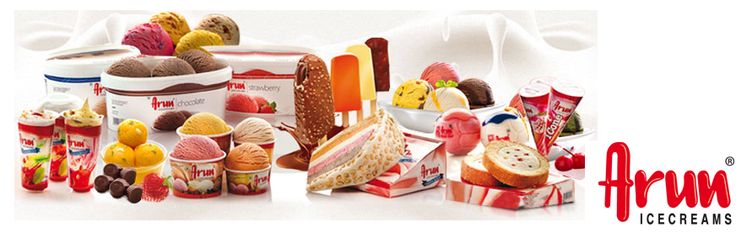
Case Study on  Arun Icecreams - Digital Toppers

What Made Arun Icecreams So Successful?

So, what’s the secret recipe behind their success? Let’s break it down:

    Flavors That Feel Like Home

    Arun Icecreams didn’t just serve ice cream; they served nostalgia. They understood what Indians loved—flavors like mango, jackfruit, and tender coconut—and turned them into creamy delights that became instant hits

      Smart, Down-to-Earth Marketing

      No fancy gimmicks—just good, smart decisions.

      • Franchise Model: By running their own outlets, they ensured quality and built a strong brand identity.
      • Seasonal Specials: Limited-time flavors and festive discounts kept things exciting.
      • Small Towns, Big Wins: While others focused on metro cities, Arun Icecreams reached out to smaller towns—places with less competition but huge demand.

       Innovation That Made a Difference

      Selling classic flavors wasn’t enough. Arun Icecreams knew they had to think outside the cone:

      • Ice Cream Cakes: A game-changer for birthdays and celebrations.
      • Local Favorites: Every region has unique tastes, and Arun Icecreams embraced that with special flavors.
      • Affordable Pricing: Because good ice cream should be for everyone.

       Making Ice Cream Available Everywhere

      Ever searched “ice cream near me” and found an Arun Icecreams outlet nearby? That’s not a coincidence! Their strategy ensured they were always within reach:

      • Exclusive Stores: So you always got the real Arun Icecreams experience.
      • Widespread Franchises: Expanding reach while maintaining quality.
      • Local Shop Tie-Ups: Even that tiny corner store probably stocks Arun Icecreams!

      Keeping Up with the Digital World

      Arun Icecreams didn’t just rely on traditional methods. They knew the power of digital marketing:

      • Fun Social Media Campaigns: Engaging, lighthearted content that connected with people.
      • Contests & Giveaways: Encouraging customers to interact with the brand.
      • Food Blogger Collaborations: Keeping things trendy and fresh.

      What can other businesses learn from Arun’s sweet success?

      • Be Authentic: People connect with brands that feel real.
      • Keep It Fresh: Variety keeps customers excited
      • Choose the Right Locations: Being in the right place matters.
      • Engage Online: It’s about building relationships, not just making sales.

      Final Thoughts

      Arun Icecreams didn’t become a household name by accident. It took smart decisions, constant innovation, and a deep understanding of their customers.So the next time you find yourself craving something sweet, just search “ice cream near me”—chances are, an Arun Icecreams store is right around the corner, ready to brighten your day!

      Also Read – How Social Media Made Super Bowl 2025 Ads Go Viral and Trend Worldwide

      Arun Icecream: The Sweet Success Story that Won India’s Heart Read More »

      A Case Study: How Cookd Achieved Success with a Digital Marketing Strategy

      Explore how Cookd utilized digital marketing for massive growth by Digital Toppers Academy,Trichy

      Cookd, a tech-driven consumer brand, is transforming home cooking by making it easier and more enjoyable. With a diverse range of products, mobile applications, and curated recipes, the brand has gained a strong digital presence. However, its journey wasn’t without challenges. This case study explores Cookd’s digital marketing transition, platforms used, key strategies, challenges faced, and how they achieved success.

      Challenges Faced by Cookd

      • Increasing Brand Awareness

      Introducing ready-to-make masala products required educating potential customers about their benefits and ease of use.

      • Competing in a Saturated Market

      The food industry is highly competitive with several well-established players. Cookd had to set itself apart to capture attention.

      • Gaining Customer Trust

      Since food products involve health and safety considerations, it was crucial to build trust in product quality and taste.

      • Sustaining Audience Engagement

      Beyond attracting first-time buyers, Cookd needed strategies to keep customers engaged and encourage repeat purchases.

      Cookd’s Shift to Digital Marketing

      To overcome these challenges, Cookd embraced digital marketing, allowing them to expand their reach, strengthen brand awareness, and highlight their unique selling points effectively.

      Digital Platforms Utilized

      • Facebook & Instagram Marketing

      Cookd utilized these platforms for targeted ads, retargeting campaigns, and audience engagement.

      Example: A paid ad campaign featuring quick recipe videos using Cookd masala increased engagement and boosted sales.

      • YouTube & Connected TV (CTV) Strategy

      Recognizing the growing trend of connected TV (CTV) viewership, Cookd utilized YouTube to engage audiences streaming content on smart TVs and devices.

      Example: The Quick Bites YouTube series, featuring 5-minute recipes with their products, attracted thousands of views and strong user interaction.

      • SEO & Content Marketing

      Cookd optimized its website with SEO-driven blogs to improve search rankings and attract organic traffic.

      Example: Recipe blogs with search-optimized titles like “10-Minute Dinner Recipes with CookdTV Masala” increased Google search visibility and website traffic.

      Campaign Strategies

      • App Feature Tutorial Videos

      Cookd promoted app features that help users cook meals using available ingredients, enhancing user convenience.

      Example: Instagram Reels demonstrated the What’s in Your Fridge? feature, which suggests recipes based on ingredients at hand.

      • Recipe Showcase Posts

      Visually appealing videos and step-by-step guides featuring Cookd masala products attracted food enthusiasts.

      Example: A 15-Minute Butter Chicken Recipe video using Cookd’s spice mix saw a 30% increase in product sales.

      • Meme-Based Engagement

      Humorous and relatable memes helped Cookd drive engagement and enhance its digital footprint.

      Example: A viral meme comparing traditional cooking struggles to the convenience of Cookd’s spice mixes resonated with young audiences and led to high social shares.

      • Educational & Informative Content

      Sharing valuable cooking insights, hacks, and tips positioned Cookd as a trusted food industry resource.

      Example: A carousel post on Instagram titled 5 Common Cooking Mistakes & How to Fix Them gained significant engagement and saves.

      Overcoming Digital Marketing Challenges

      • Expanding Market Reach

      Targeted campaigns introduced Cookd’s products to new audiences.

      Example: Collaborations with food influencers who reviewed Cookd’s products led to an influx of first-time buyers.

      • Strengthening Brand Awareness

      Engaging digital content and interactive campaigns positioned Cookd as a household name in the cooking niche.

      Example: The #CookWithCookd challenge encouraged users to create recipes using Cookd products, generating organic reach and user-generated content (UGC).

      • Generating & Converting Leads

      Providing informative content helped convert potential customers into loyal buyers.

      Example: A free 15 Easy Indian Recipes eBook was offered in exchange for email sign-ups, expanding CookdTV’s mailing list for future promotions.

      • Running Creative Marketing Campaigns

      Cookd implemented unique and data-driven campaigns to create a memorable brand experience.

      Example: A live cooking challenge on Instagram featured a chef using Cookd masala, increasing live engagement and product inquiries.

      Key Takeaways for Brands Looking to Success

      • Maximize Social Media & Influencer Collaborations

      Partnering with food bloggers, chefs, and social media influencers helps amplify brand visibility and credibility.

      • Showcase Unique Selling Points

      Highlight product differentiators through compelling ads and creative content to stand out in a crowded market.

      • Utilize Retargeting Strategies

      Engage potential customers who interacted with your content but didn’t convert by running retargeting campaigns.

      • Prioritize Engaging & Educational Content

      Positioning your brand as an industry expert through valuable content builds trust and long-term customer loyalty.

      • Invest in SEO & Content Optimization

      Keyword research and on-page SEO help improve search rankings, driving consistent organic traffic.

      Conclusion

      Cookd’s success in digital marketing showcases how brands can thrive by implementing strategic online campaigns, prioritizing audience engagement, and leveraging innovative content. By focusing on SEO, social media engagement, influencer collaborations, and creative marketing strategies, Cookd successfully built a strong digital brand presence. Other brands can apply similar approaches to strengthen their online presence and achieve long-term growth.

      Also read: Case Study: Nike’s Digital Marketing Success

      A Case Study: How Cookd Achieved Success with a Digital Marketing Strategy Read More »

      Scroll to Top